네오레겔리아
Neoregelia carolinae
Blushing Bromeliad
💧계절별 물주기
상세 정보
크기 및 성장
추천 배치 장소
거실 창측 (실내깊이 150~300cm),발코니 내측 (실내깊이 50~150cm),발코니 창측 (실내깊이 0~50cm)
번식 방법
분주,기타
비료
보통 요구함
병충해 정보
응애
✨기능성 정보
Soil Type:
Use a GOOD rich potting soil (a soil that retains water yet drains well), such as an African violet mix. If you want to mix your own take: 1 part humus (leaf mold), 1 part peat and 1 part coarse sand or perlite. Always use a pot with a hole.
General Description:
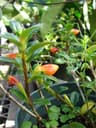
The broad, verdant rosettes of this epiphytic bromeliad blush red at their center as they bloom. It is native to tropical forests of Brazil.
Neoregelia carolinae produces evergreen rosettes of leathery, arching, strap-shaped leaves with finely toothed margins. The leaf bases at the center of the rosette form a tubular cup which catches and holds water. Mature rosettes bear tiny lavender blooms on dome-shaped flower heads that are held within the blushing 'water cup.' Rosettes die after flowering, producing offsets (pups) to take their place.
This tropical tree-dweller loves humidity, warmth, and a moist, well-drained growing medium. Secure it to a tree branch in a tropical garden or greenhouse, or grow it in a porous potting mix that's rich in organic matter (such as sphagnum or pelleted bark). Keep the rosette 'cup' filled with water from spring to fall, especially if plants are exposed to direct sun rays. Water sparingly from late fall through winter. Blushing bromeliad makes a nice border accent or massed groundcover for frost-free gardens.
Among the named selections of this bromeliad are 'Flandria,' with cream-edged leaves and bright scarlet centers. The leaves of variety tricolor have pale yellow and pink stripings.
Usage-Container, Groundcover, Houseplant, Mixed Border, Tropical
❓네오레겔리아 자주 묻는 질문
네오레겔리아 물은 얼마나 자주 줘야 하나요?
봄에는 토양 표면이 말랐을때 충분히 관수함, 여름에는 토양 표면이 말랐을때 충분히 관수함, 가을에는 토양 표면이 말랐을때 충분히 관수함, 겨울에는 토양 표면이 말랐을때 충분히 관수함 물을 주세요.
네오레겔리아은(는) 햇빛이 많이 필요한가요?
네오레겔리아의 광요구도는 "중간 광도(800~1,500 Lux),높은 광도(1,500~10,000 Lux)"입니다. 밝은 곳에서 키우는 것이 좋습니다.
네오레겔리아은(는) 반려동물에게 안전한가요?
네오레겔리아은(는) 독성이 없는 것으로 알려져 있어 반려동물이 있는 가정에서 비교적 안전하게 키울 수 있습니다.
네오레겔리아은(는) 초보자도 키울 수 있나요?
네오레겔리아은(는) 관리 난이도가 '경험자' 수준으로 어느 정도 경험이 필요합니다.
분류 정보
데이터 출처: 농촌진흥청 농사로 실내정원용 식물 API
* 식물의 실제 관리 환경에 따라 생육 상태가 달라질 수 있습니다.